
SS-3110mg–50mg
$90Lyophilized SS-31 supplied as a research reference standard.
Secure
Ordering
Same-Day
Dispatch
Third Party
Tested
Batch & Lot
Tracking
Free Ship
Over $200
Based in
the USA





Secure checkout · ACH bank transfer saves 5%
Supplied to qualified labs and institutional buyers. Institutional use & eligibility
Frequently researched together
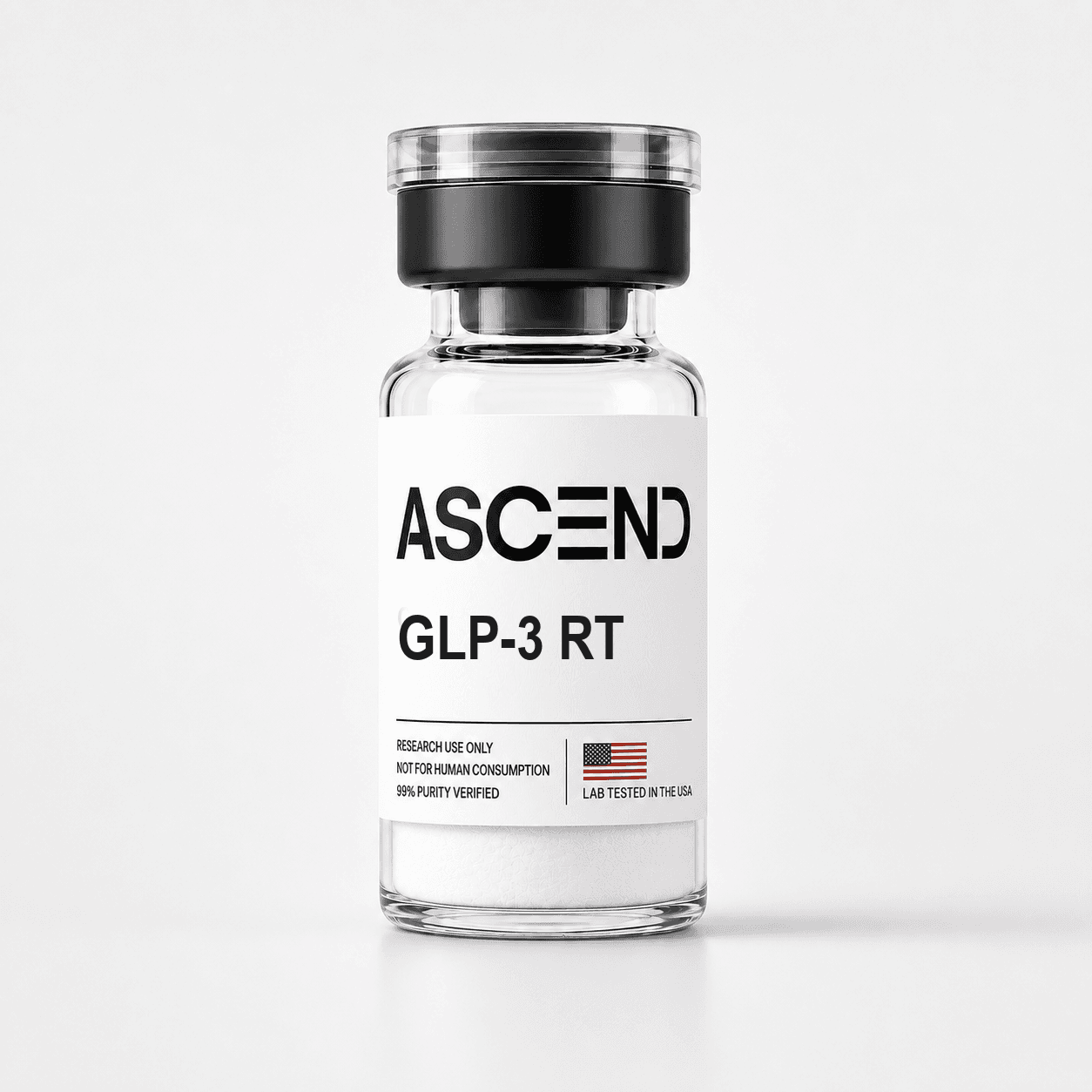
GLP-3 RT
20mg
$150
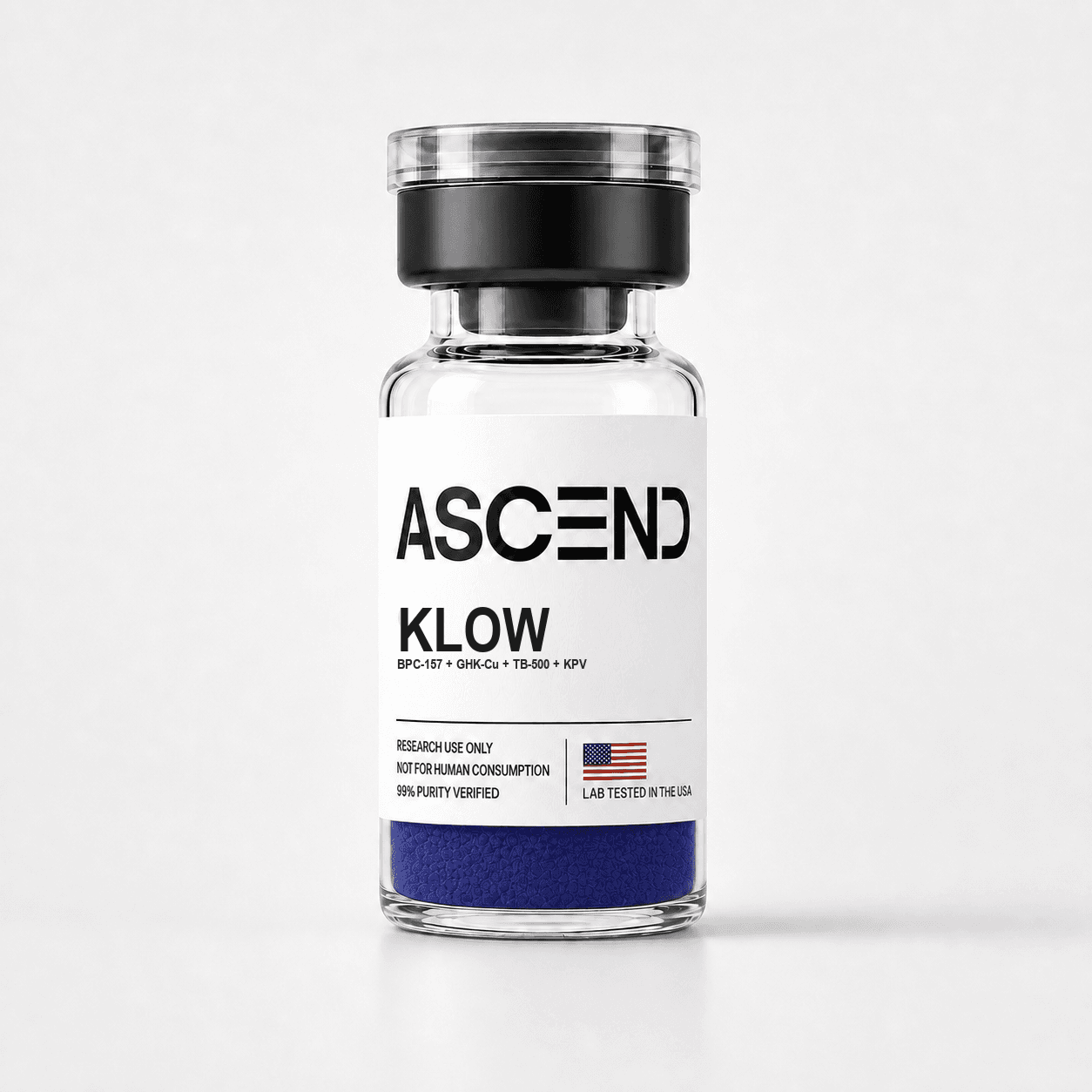
KLOW
80mg
$195
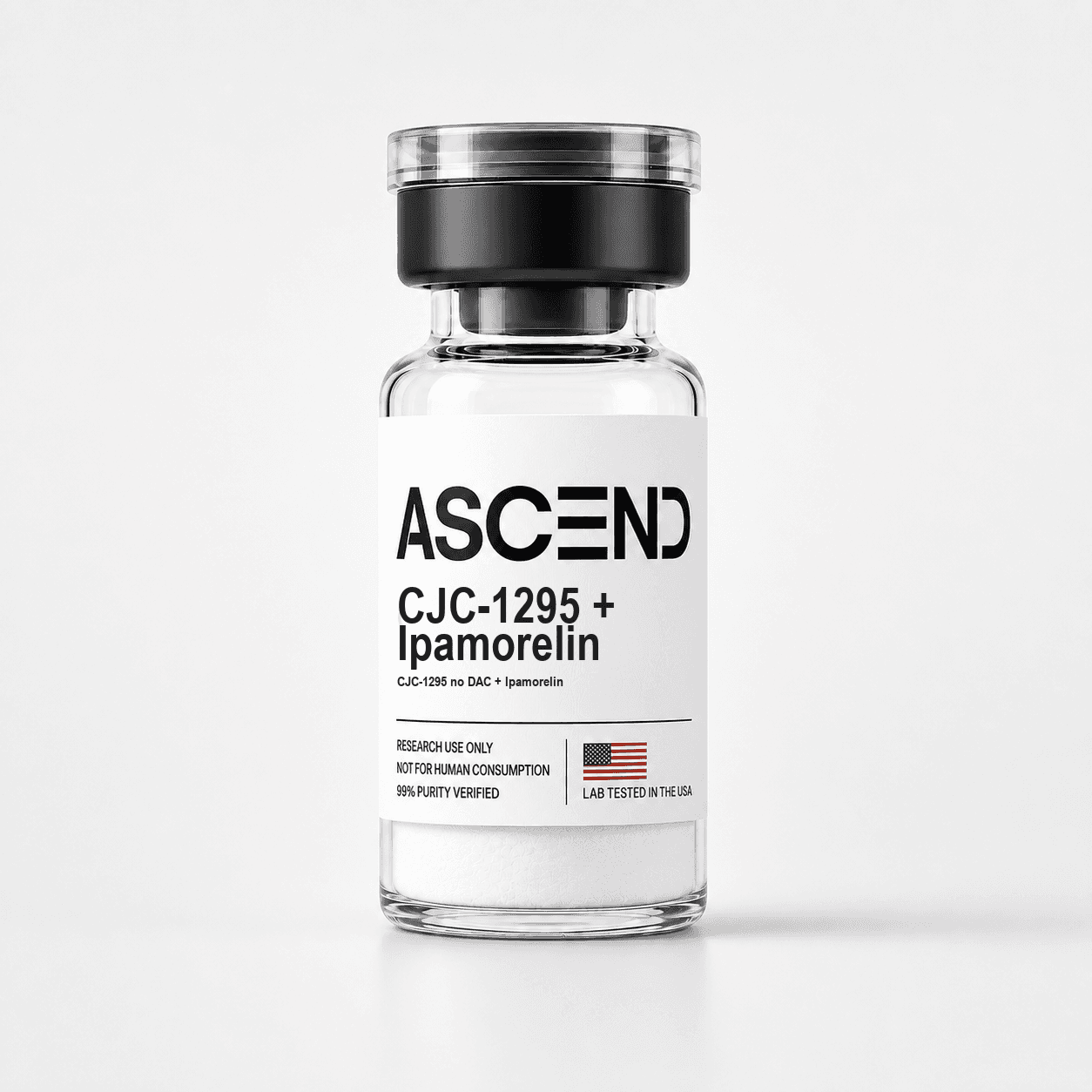
CJC-1295 + Ipamorelin
10mg + 10mg
$190
Bundle total
$535
Researchers also viewed
View all
Example Certificate of Analysis
Certificate of Analysis
SS-31
Lot Number
EXAMPLE-LOT
Purity (HPLC)
≥99%
Nominal Fill
10mg
Illustrative example of the certificate format issued for this compound. Purity and specification figures are the published values for SS-31; the lot number and test date are placeholders, not a real result. The certificate for the specific lot you receive is matched to the lot number printed on the vial. For laboratory research use only.
Characteristics
| Molecular Formula | C₃₂H₄₉N₅O₅ |
|---|---|
| CAS Number | 736992-21-5 |
| Molar Mass | 640.75 g/mol |
| Amino Acid Sequence | D-Arg-Dmt-Lys-Phe-NH₂ (Dmt = 2',6'-dimethyltyrosine) |
| Synonyms | Elamipretide, MTP-131, Bendavia, RX-31 |
| Physical Form | Lyophilized powder |
| Solubility | Freely soluble in water and aqueous buffers |
| Organoleptic Profile | White to off-white lyophilized powder; odorless |
| Storage Conditions | Store lyophilized at -20°C; reconstituted solution stable at 2-8°C for up to 14 days; protect from light |
| Composition | Lyophilized elamipretide acetate salt |
How is SS-31 used in research?
SS-31, also known as elamipretide, is a mitochondria-targeted tetrapeptide with the sequence D-Arg-Dmt-Lys-Phe-NH₂, where Dmt is 2',6'-dimethyltyrosine. Developed by Hazel Szeto and Peter Bhatt at Weill Cornell Medical College, SS-31 belongs to the Szeto-Schiller (SS) family of peptides characterized by an alternating aromatic-cationic motif that enables selective concentration in the inner mitochondrial membrane. The peptide accumulates in mitochondria at concentrations 1,000-5,000 fold higher than extracellular levels, driven by the mitochondrial membrane potential, and selectively binds to cardiolipin - a phospholipid unique to the inner mitochondrial membrane that is essential for electron transport chain function.
The primary mechanism of SS-31 involves stabilization of cardiolipin-cytochrome c interactions on the inner mitochondrial membrane. Cardiolipin normally anchors cytochrome c to the membrane surface, facilitating efficient electron transfer between Complex III and Complex IV of the electron transport chain. Under oxidative stress, cardiolipin peroxidation disrupts this interaction, leading to cytochrome c dissociation, electron leak, increased reactive oxygen species (ROS) generation, and ultimately mitochondrial permeability transition and apoptosis. SS-31 binds to cardiolipin and prevents its peroxidation, preserving cristae structure, optimizing electron transport efficiency, and reducing ROS emission. Research by Birk et al. demonstrated that SS-31 restores mitochondrial cristae architecture in aged cardiomyocytes to a morphology resembling young tissue.
Research development of elamipretide has focused on mitochondrial myopathy and heart failure models. Phase 2 research studies in primary mitochondrial myopathy (Barth syndrome and other genetic mitochondrial disease models) have demonstrated improvements in the 6-minute walk test and research-subject-reported outcomes. In heart failure with reduced ejection fraction models, the PROGRESS-HF research study investigated elamipretide's effects on left ventricular volumes and function. Preclinical research has explored applications in ischemia-reperfusion injury, age-related organ dysfunction, neurodegenerative diseases, and skeletal muscle aging, all conditions associated with mitochondrial dysfunction and cardiolipin remodeling.
Areas of Study
Mitochondrial Membrane Stabilization
Selectively binds cardiolipin on the inner mitochondrial membrane, preserving cristae structure and cytochrome c interactions critical for electron transport.
Ischemia-Reperfusion Injury
Investigated for protection against mitochondrial damage during ischemia and reperfusion in cardiac, renal, and cerebral tissue models.
Primary Mitochondrial Myopathy
Preclinical and research studies in Barth syndrome and other genetic mitochondrial disease models demonstrate functional improvements and symptom reduction.
Cardiac Function
Studied in heart failure models for restoration of mitochondrial bioenergetics and improvement of left ventricular function via cardiolipin stabilization.
Age-Related Mitochondrial Decline
Preclinical research demonstrates reversal of age-related cristae remodeling and restoration of mitochondrial function in aged cardiomyocytes and skeletal muscle.
References
- [1]Szeto HH. (2014). First-in-class cardiolipin-protective compound as a therapeutic agent to restore mitochondrial bioenergetics. British Journal of Pharmacology, 171(8), 2029-2050.
- [2]Birk AV, Liu S, Soong Y, et al. (2013). The mitochondrial-targeted compound SS-31 re-energizes ischemic mitochondria by interacting with cardiolipin. Journal of the American Society of Nephrology, 24(8), 1250-1261.
- [3]Siegel MP, Kruse SE, Percival JM, et al. (2013). Mitochondrial-targeted peptide rapidly improves mitochondrial energetics and skeletal muscle performance in aged mice. Aging Cell, 12(5), 763-771.
- [4]Reid Thompson W, Hornby B, Manuel R, et al. (2021). A phase 2/3 randomized clinical trial followed by an open-label extension to evaluate the effectiveness of elamipretide in Barth syndrome. Genetics in Medicine, 23(3), 471-478.
- [5]Sabbah HN, Gupta RC, Kohli S, et al. (2016). Chronic therapy with elamipretide (MTP-131), a novel mitochondria-targeting peptide, improves left ventricular and mitochondrial function in dogs with advanced heart failure. Circulation: Heart Failure, 9(2), e002206.
Disclaimer: Information provided for research reference only; not medical advice. Sold strictly for in-vitro research use.
Certificate of Analysis
Third-party verified
Every batch of SS-31 is independently tested by an A2LA-accredited (ISO 17025:2017) laboratory using HPLC-UV/VIS for purity and identity, with a batch-specific lot number. Results are published publicly.
View COAsMore research compounds
View all
AHK-Cu
from $65
Cortagen
$115
Epithalon
from $65
GHK-Cu
from $55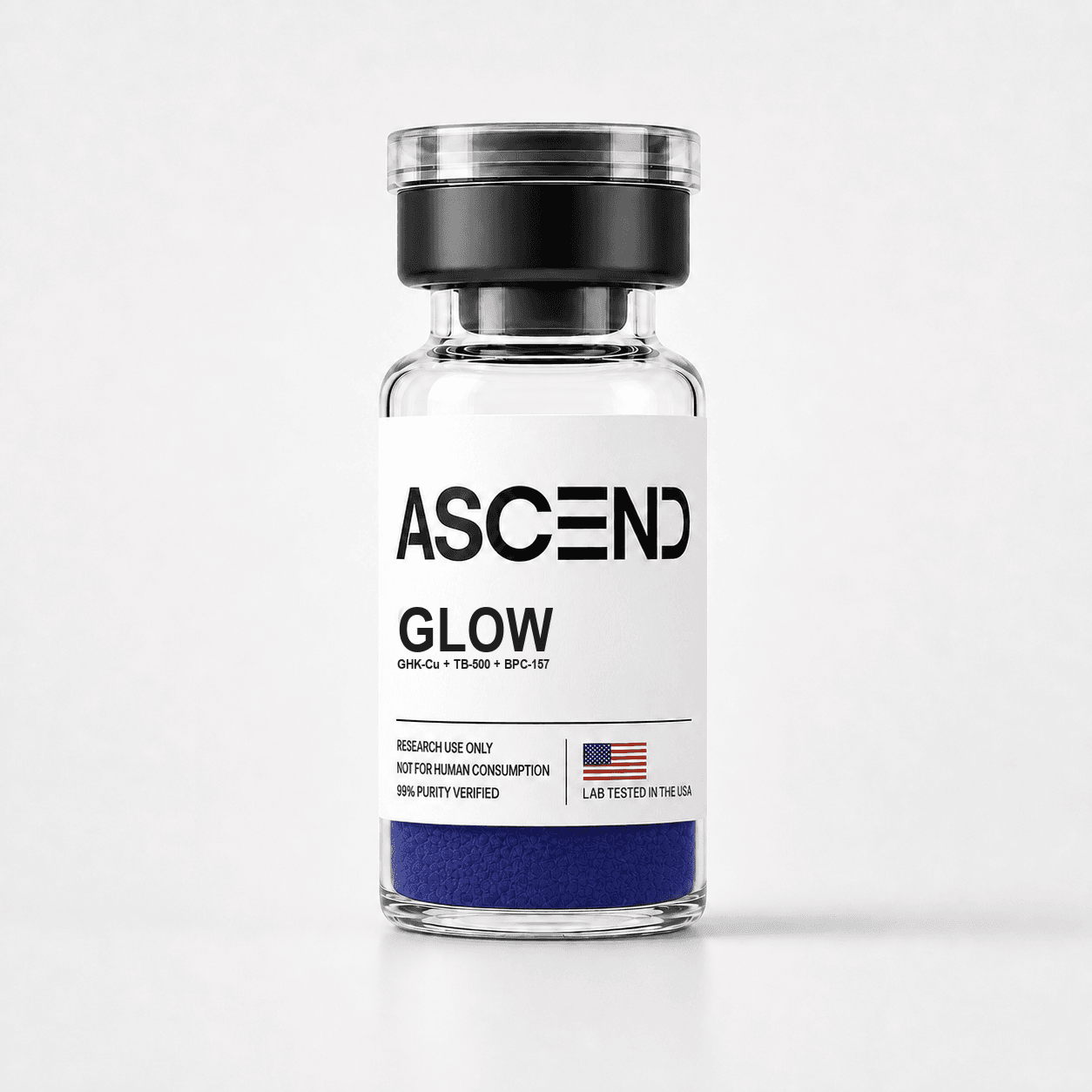 Blend
BlendGLOW
$190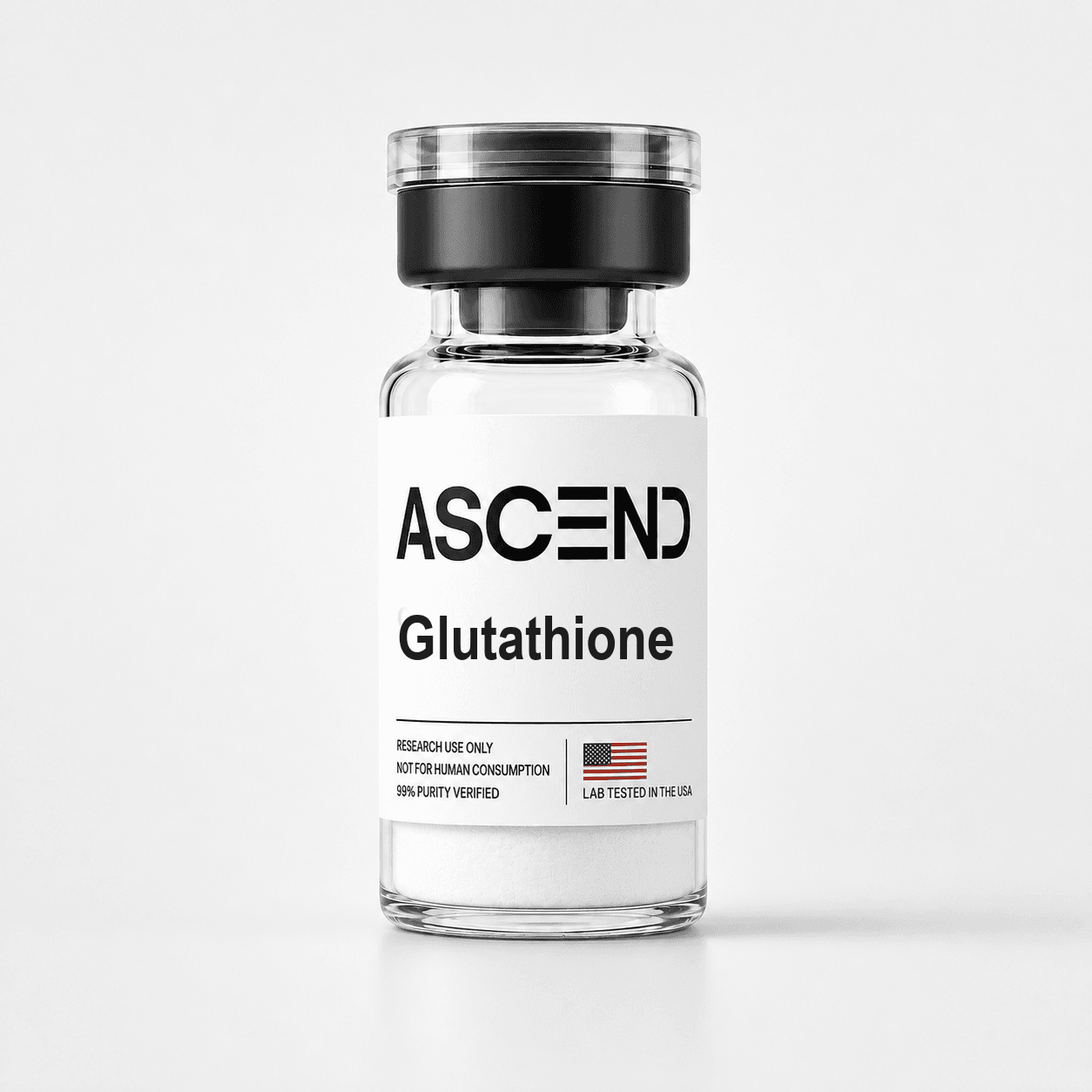
Glutathione
from $55BlendKLOW
$195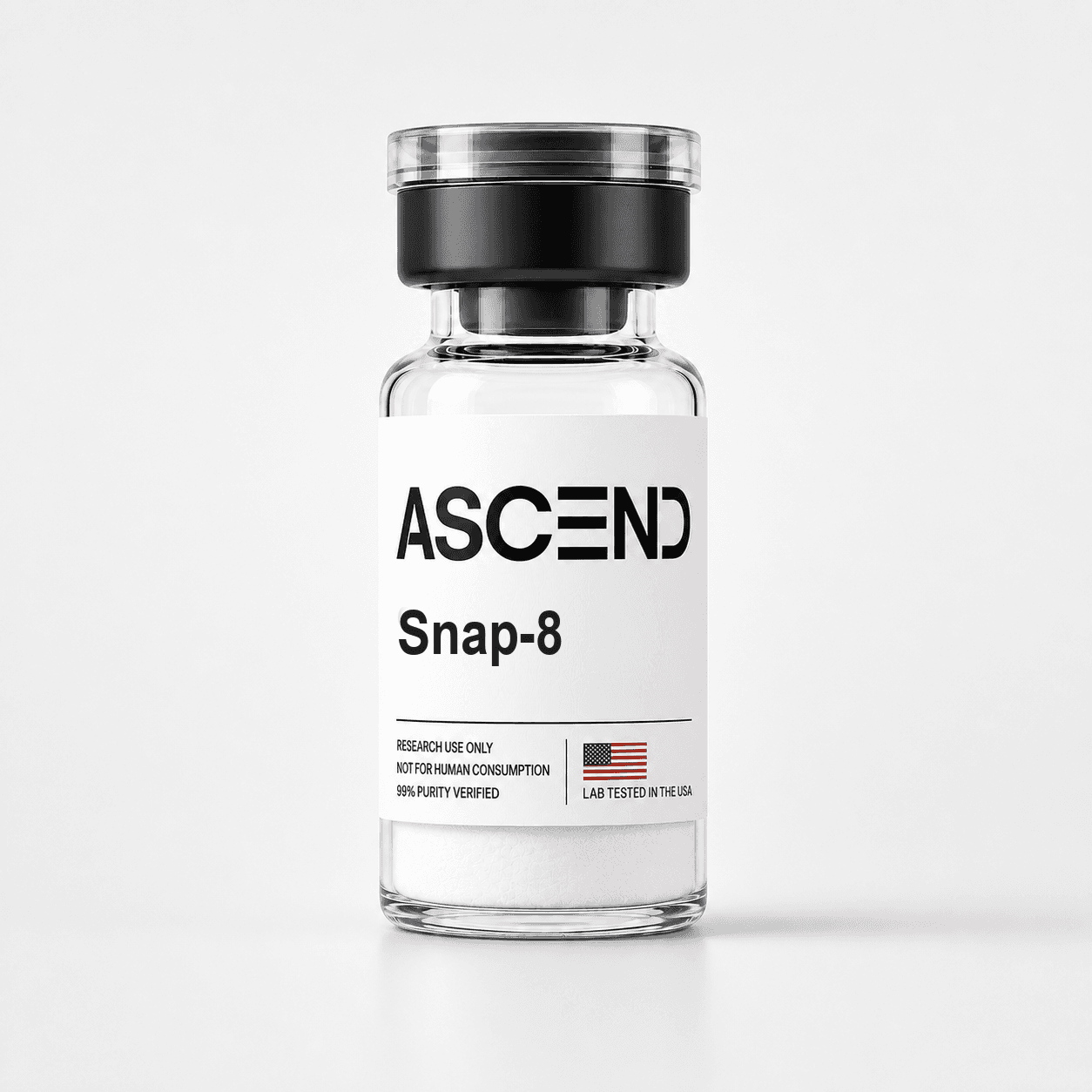
Snap-8
$65Frequently
Asked
Questions
Everything on purity, paperwork, shipping and the research-use-only terms. Still stuck? Read the full FAQ.
What does research use only mean?
Every compound we supply is a reference standard intended strictly for in-vitro laboratory research. It is not a drug or a supplement, and it is not for human or veterinary use, nor for diagnostic or therapeutic use.
How is purity verified?
Every lot is assayed by HPLC at an independent, accredited third-party laboratory. We publish the resulting Certificate of Analysis and link it to the lot number printed on the vial.
Where do I find the Certificate of Analysis?
Every lot has a public, batch-linked COA. Browse them all on the COA page, or open any product page and use the COA tab for that specific compound.
How quickly do orders ship?
Orders placed before 2PM EST ship the same business day. Shipments are cold-packed where required and fully tracked.
Do you ship internationally?
We currently ship within the United States. Requests from institutional buyers outside the US are handled case by case, so contact us before ordering.
Ready to Start
Your Research?
Browse the complete catalog of third-party verified, lyophilized research compounds. Orders before 2PM EST ship same day.